Estrangeiros podem comprar imóvel no Brasil? Entenda as regras no sul da Bahia
Atualizado: 26 de ago.
Uma das perguntas mais comuns entre pessoas que vivem fora do Brasil e estão interessadas em comprar uma propriedade na Bahia é:
“Um estrangeiro pode comprar uma casa ou apartamento no Brasil?”
A resposta, em muitos casos, é sim.
O Brasil permite que estrangeiros adquiram imóveis no país, e o sul da Bahia oferece diversas oportunidades para quem deseja comprar uma casa, apartamento ou imóvel para investimento.
No entanto, existem diferenças importantes entre a compra de imóveis urbanos e a aquisição de imóveis rurais. Por isso, é fundamental entender as regras antes de realizar qualquer negócio.
Importante: este artigo apresenta informações gerais e não substitui uma análise jurídica específica. As regras podem depender da situação do comprador e do tipo e localização do imóvel. Antes de concluir uma compra, recomendamos consultar um advogado ou profissional especializado.
Estrangeiros podem comprar casas e apartamentos no Brasil?
Em geral, sim.
Estrangeiros podem adquirir imóveis no Brasil, incluindo propriedades residenciais em áreas urbanas.
Isso significa que uma pessoa que vive no Reino Unido, Estados Unidos, Portugal, Austrália ou outro país pode, em determinadas circunstâncias, comprar uma casa ou apartamento no sul da Bahia.
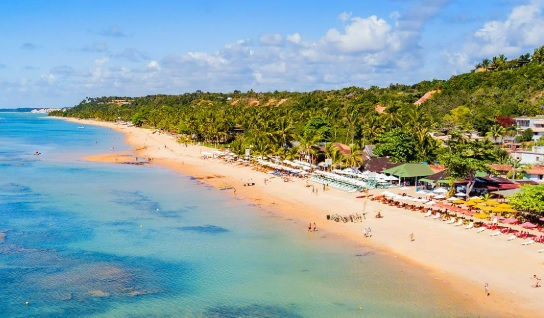
Destinos como Porto Seguro, Arraial d'Ajuda, Trancoso, Santa Cruz Cabrália e Santo André atraem compradores de diferentes partes do Brasil e também pessoas que vivem no exterior.
Para o comprador estrangeiro, entretanto, é importante organizar corretamente a documentação e realizar uma análise cuidadosa do imóvel antes da compra.
A principal diferença: imóvel urbano x imóvel rural
Uma das questões mais importantes é saber se o imóvel é considerado urbano ou rural.
As regras para aquisição de imóveis rurais por estrangeiros são específicas e estão sujeitas à legislação própria.
O INCRA informa que é responsável pelo controle da aquisição e do arrendamento de imóveis rurais por estrangeiros.
Por isso, uma casa localizada dentro de uma área urbana não deve ser confundida simplesmente com uma propriedade rural porque possui um terreno grande, jardim ou área externa.
A classificação jurídica do imóvel é importante e deve ser confirmada durante o processo de compra.
E se eu quiser comprar um terreno?
Aqui é necessário ter ainda mais cuidado.
Comprar um terreno urbano para construir uma casa é diferente de comprar uma propriedade classificada como imóvel rural.
Se você estiver interessado em um terreno no sul da Bahia, é importante verificar:
A matrícula do imóvel;
A classificação do imóvel;
O zoneamento municipal;
As regras de construção;
A situação do terreno perante o município;
A regularidade do registro;
Eventuais restrições ambientais;
Se existem pendências ou ônus sobre o imóvel.
Antes de comprar um terreno, especialmente se o objetivo for construir uma casa, é importante confirmar que aquilo que você pretende construir é permitido naquela localização.
E a compra de imóvel rural por estrangeiros?
A situação muda quando falamos de imóveis rurais.
A aquisição de imóvel rural por estrangeiros é regulamentada, entre outras normas, pela Lei nº 5.709/1971, e existem regras específicas relacionadas à área do imóvel, residência do comprador, quantidade de imóveis e outras condições.
O INCRA informa que, em determinadas situações, uma pessoa física estrangeira pode adquirir um imóvel rural de até 3 Módulos de Exploração Indefinida (MEI) sem autorização prévia do INCRA, desde que seja a primeira aquisição e sejam cumpridas as demais exigências legais.
O tamanho de um MEI varia de acordo com o município, portanto não existe um número fixo de hectares que possa ser aplicado a todo o Brasil.
Para propriedades rurais maiores ou determinadas situações, podem ser necessárias autorizações e outros procedimentos.
Por isso, se você estiver pensando em comprar uma fazenda, sítio, chácara ou grande área de terra, é fundamental buscar orientação especializada antes de assinar qualquer contrato.
O que um estrangeiro precisa para comprar um imóvel?
A documentação necessária pode variar de acordo com a situação do comprador e do imóvel.
Durante uma compra imobiliária, normalmente será necessário comprovar a identidade do comprador e organizar a documentação exigida para a escritura e o registro.
Para imóveis rurais, podem existir requisitos adicionais e procedimentos perante o INCRA.
O próprio Governo Federal mantém um serviço específico para processos de autorização relacionados à aquisição ou arrendamento de terras rurais por estrangeiros.
Por isso, não é recomendável simplesmente utilizar um contrato encontrado na internet ou tentar concluir uma compra sem verificar previamente toda a documentação.
É necessário morar no Brasil?
A resposta depende do tipo de imóvel e da situação jurídica da aquisição.
Para imóveis rurais, a legislação estabelece requisitos específicos para estrangeiros, e a residência no Brasil pode ser relevante para determinadas situações.
Para quem está comprando uma casa ou apartamento urbano, a situação é diferente.
Se você mora no exterior e está pensando em comprar uma propriedade no sul da Bahia, o ideal é verificar previamente quais documentos serão necessários para a sua situação específica.
Posso comprar um imóvel para passar férias?
Sim, comprar uma propriedade para utilizar como casa de férias é um dos motivos pelos quais algumas pessoas que vivem no exterior procuram imóveis no sul da Bahia.
Uma casa ou apartamento pode ser utilizado durante as férias e, dependendo da localização e das regras aplicáveis, também pode ser considerado para aluguel durante os períodos em que o proprietário não estiver no Brasil.
Antes de comprar pensando em aluguel por temporada, porém, é importante verificar as regras do condomínio, da propriedade e do município, além dos custos envolvidos.
Posso comprar um imóvel para investimento?
Também é possível considerar a compra de um imóvel como investimento.
O sul da Bahia possui destinos turísticos bastante conhecidos e diferentes tipos de imóveis podem atender a diferentes estratégias.
Por exemplo:
Apartamento: pode ser interessante para quem procura praticidade e potencial de aluguel por temporada.
Casa: pode oferecer mais espaço e privacidade, sendo interessante para famílias e grupos.
Terreno: pode ser uma alternativa para quem pensa em construir ou investir no longo prazo.
Mas a rentabilidade não é garantida. É importante analisar preço de compra, localização, demanda, manutenção, impostos, condomínio e possíveis custos de administração.
A documentação do imóvel é fundamental
Independentemente de você ser brasileiro ou estrangeiro, um dos pontos mais importantes de qualquer compra imobiliária é verificar a documentação.
Antes de realizar um pagamento significativo, é recomendável verificar a matrícula atualizada e analisar se existem:
Ônus;
Penhoras;
Dívidas;
Restrições;
Problemas relacionados à propriedade;
Irregularidades na construção;
Questões envolvendo o terreno.
Uma casa bonita e bem localizada não significa necessariamente que toda a documentação esteja em ordem.
Por isso, a análise documental deve fazer parte do processo desde o início.
Comprar no sul da Bahia estando no exterior
Para quem mora no Reino Unido, Estados Unidos, Portugal, Austrália ou outro país, comprar um imóvel à distância pode parecer complicado.
É possível organizar boa parte do processo com profissionais no Brasil, mas é importante ter uma equipe de confiança acompanhando cada etapa.
Além da escolha do imóvel, o comprador deve considerar:
Documentação;
Contratos;
Tradução de documentos, quando necessária;
Procuração, quando aplicável;
Transferência dos recursos;
Impostos e custos da compra;
Escritura e registro;
Administração do imóvel após a compra.
Dependendo da situação, uma procuração pode facilitar a representação do comprador no Brasil. O formato adequado deve ser definido com orientação jurídica.
Por que o sul da Bahia atrai compradores estrangeiros?
O sul da Bahia combina alguns fatores que chamam a atenção de compradores brasileiros e estrangeiros.
A região oferece praias, clima tropical, natureza, turismo e diferentes estilos de vida.
Além disso, existem opções muito diferentes de imóveis.
Quem procura uma vida mais tranquila pode encontrar propriedades em áreas residenciais.
Quem deseja estar próximo de restaurantes, comércio e vida turística pode preferir regiões como Arraial d'Ajuda ou Trancoso.
Porto Seguro oferece uma infraestrutura mais ampla e uma grande variedade de bairros e tipos de imóveis.
Santa Cruz Cabrália e Santo André, por sua vez, podem atrair quem procura um ambiente mais tranquilo.
O mais importante é comprar com segurança
Ser estrangeiro não significa que você não possa comprar uma propriedade no Brasil.
Mas também não significa que todas as propriedades estejam sujeitas exatamente às mesmas regras.
A principal questão é entender que tipo de imóvel você está comprando, onde ele está localizado e qual é a situação do comprador.
Para uma casa ou apartamento urbano, o processo pode ser bastante diferente daquele aplicado a uma propriedade rural.
Se você está pensando em comprar no sul da Bahia, procure conhecer o imóvel pessoalmente, faça uma análise documental completa e conte com profissionais qualificados para orientar o processo.
Está pensando em comprar um imóvel no sul da Bahia?
Na Schaper Bahia, ajudamos compradores a encontrar propriedades em Porto Seguro, Arraial d'Ajuda, Trancoso, Santa Cruz Cabrália e Santo André.
Se você mora no Brasil ou no exterior e está procurando uma casa, apartamento ou terreno, podemos ajudar você a conhecer as opções disponíveis e encontrar um imóvel que corresponda aos seus objetivos.
Entre em contato com a Schaper Bahia e comece a procurar sua propriedade no sul da Bahia com mais segurança e tranquilidade.


Comentários